With all the rain in Auckland lately, many tenants have told us they’ve started noticing mould in their homes. The truth is, Auckland’s damp climate combined with everyday living habits can make mould grow much faster indoors. So, what can be done to prevent this?
Healthy Homes Standards – What Landlords Must Do
Under New Zealand’s Healthy Homes Standards, landlords are required to make sure properties have:
- Proper ventilation (like extractor fans in kitchens and bathrooms)
- Insulation and heating (to reduce dampness and condensation)
- Moisture protection (to stop water or ground moisture getting inside)
These are the landlord’s responsibilities to provide tenants with a healthy and safe living environment.
Why Tenant Habits Matter Too
Even if a house meets the Healthy Homes Standards, mould can still appear if tenants don’t ventilate properly. Here are a few common situations:
- Morning condensation
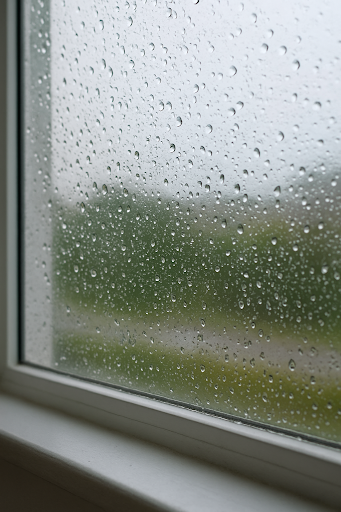
If two people sleep in a closed bedroom all night, you’ll often wake up to find water droplets on the windows. That’s a sign of trapped moisture. The best solution? Open the windows in the morning to let fresh air flow through. - Bathroom moisture
Always switch on the extractor fan when showering. Afterward, keep the fan or windows open for a few minutes to clear the steam. If not, mould will quickly start growing on ceilings and walls. - Daily airflow
Even when it’s rainy outside, it’s still important to open windows for short periods each day. A few minutes of ventilation makes a big difference.
What If Mould Has Already Appeared?

If mould is already visible, it’s important to act quickly before it spreads:
- Wipe it off right away – If you see mould spots on corners or window frames, clean them as soon as possible.
- Natural cleaning method – A simple mix of water and white vinegar can be sprayed and wiped over small mould patches.
- Important note – Cleaning will remove existing mould, but it doesn’t stop it from coming back. Prevention through ventilation and reducing moisture is the key.
Landlords must provide the right equipment under Healthy Homes Standards, but tenants’ daily habits are just as important. By working together, both landlords and tenants can reduce mould problems and create a healthier, more comfortable home.