
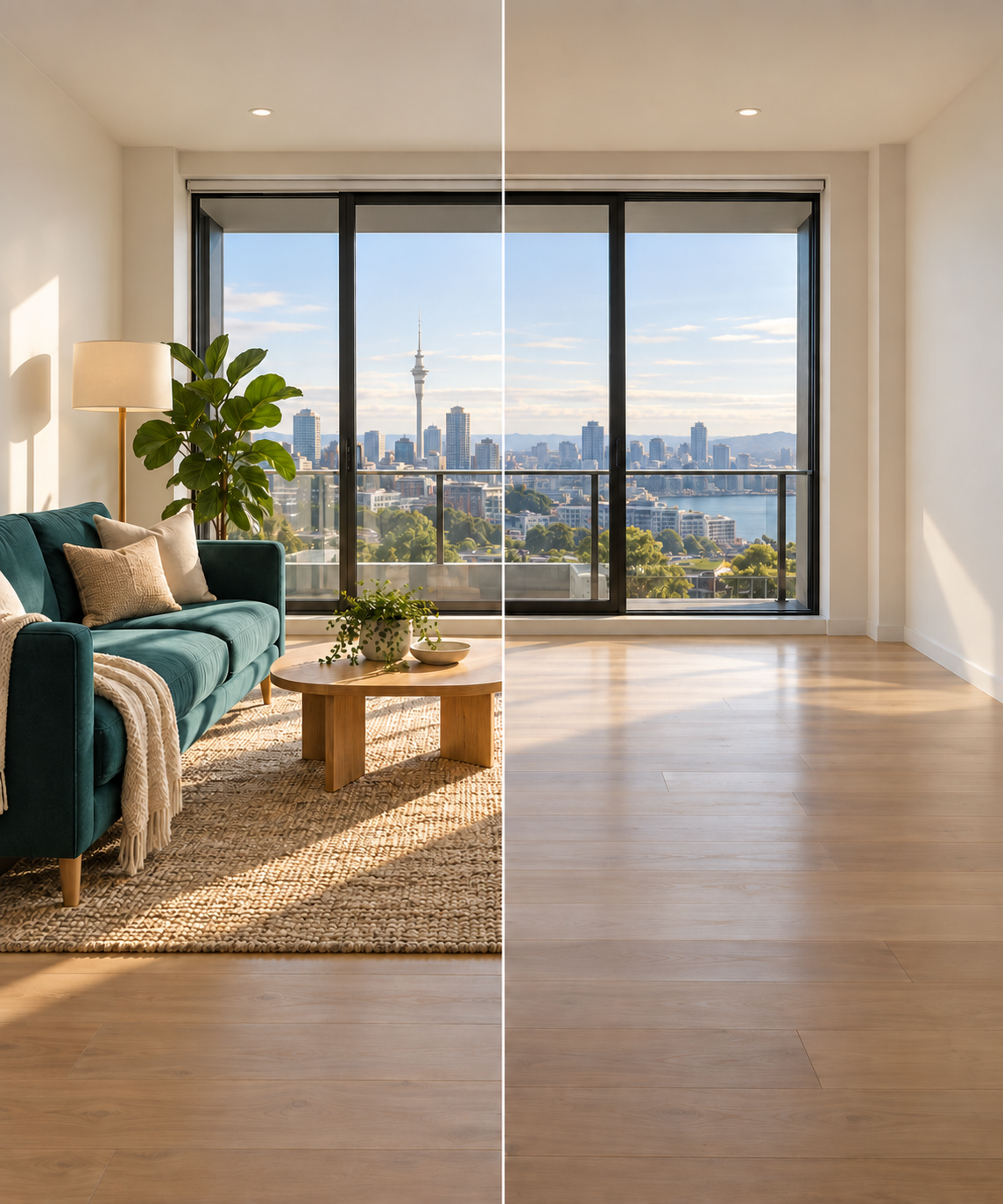
For many landlords, furnishing a rental property may seem like a good way to make it look more complete and appealing.
However, the reality is that not every rental property is suitable for furniture.
For standard residential properties intended for long-term tenancies, providing furniture can sometimes reduce the pool of prospective tenants and make it harder to find the right match.
So, should your rental property be furnished?
The answer depends on the type and location of the property, as well as the tenants you want to attract.
Standard Residential Properties: Unfurnished May Be Easier to Rent
In the general residential rental market, many tenants already own their own furniture.
Sofas, beds, dining tables, TV units and desks are often an established part of their home and lifestyle.
When these tenants consider moving into a new property, they may not be asking:
“Does this property come with furniture?”
Instead, they are more likely to be thinking:
“Where will my furniture fit?”
This is an important consideration for landlords.
If a rental property is already fully furnished, the tenant’s existing furniture may become a problem.
For example, a tenant may already own a bed they like, a sofa and a dining table. If your property is fully furnished, they may need to:
- Put their furniture into storage
- Pay additional storage costs
- Sell, move or dispose of their existing furniture
- Choose another property that is unfurnished
In the end, furniture that was intended to make the property more attractive may actually limit the tenant’s options.

Why Can an Unfurnished Property Have Broader Appeal?
For families and long-term residential tenants, flexibility is often very important.
Tenants want to arrange their homes around their own lifestyles. Some may have a large sofa, others may need space for a home office, while many already own their preferred beds, dining tables and other household furniture.
An unfurnished property gives tenants the freedom to create a home that works for them.
When a property is already full of furniture, however, tenants must first ask:
“What am I going to do with all this furniture?”
That additional inconvenience may be enough for them to rule out the property entirely.
From a landlord’s perspective, more furniture does not necessarily make a property easier to rent.
Sometimes, giving tenants more freedom can make the property attractive to a much larger audience.
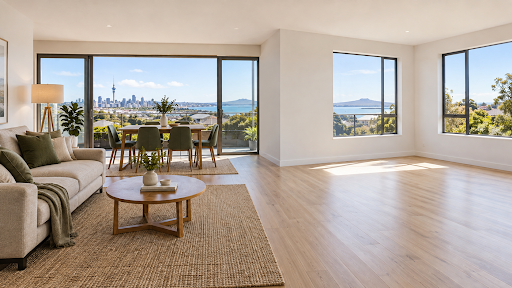
City Apartments Can Be Different
This does not mean that every rental property should be unfurnished.
City apartments are a good example of when furnishing may be beneficial.
Apartments located in central Auckland may attract a very different tenant market from standard suburban homes, including:
- Professionals moving to the city for work
- Short- or medium-term tenants
- Corporate or relocated employees
- People arriving from overseas
- Tenants who do not want to purchase large items of furniture
For these tenants, a furnished apartment that is ready to move into can be highly convenient.
They may only need to bring their clothing and personal belongings before settling in.
For city apartments and certain specialised rental markets, therefore, offering a fully furnished property can be a genuine advantage.
The Real Question Is Not Whether to Provide Furniture
The more important question is:
“What type of tenant is this property best suited to?”
If your property is a standard residential home aimed at long-term tenants, it is worth understanding the local rental market before deciding whether to furnish it.
If most of your target tenants already own furniture, offering a fully furnished property may reduce your pool of applicants.
However, if the property is centrally located and aimed at professionals, short-term tenants or people who have recently moved to the city, furniture may become a valuable selling point.
There is no single answer that suits every property.
Think From a Rental Perspective, Not Just About Appearance
When preparing a property for rent, landlords can easily approach the decision from their own perspective:
“A furnished property looks more attractive.”
However, the most important question is not whether the landlord likes the way it looks. It is:
Will tenants in the market choose it?
A beautifully presented, fully furnished property may not be an effective rental strategy if the furniture discourages a large number of potential tenants.
By contrast, a clean, simple and unfurnished property may allow tenants to imagine creating their own home there, making it easier to rent.
The Right Furniture Strategy Is About Suitability
More furniture is not always better. What matters is whether it suits the property and its target market.
If you are preparing to rent out a property but are unsure whether it should be furnished, partly furnished or unfurnished, start by asking:
Where is the property located?
Who are the target tenants?
Do tenants in the local market usually bring their own furniture, or do they prefer a move-in-ready home?
Will furniture strengthen the property’s appeal or limit the number of potential tenants?
Making the right rental decision involves more than simply listing a property on the market.
Understanding your property, understanding your tenants and choosing the most suitable rental approach are all essential parts of an effective property management strategy.
If you own a rental property in Auckland and are unsure whether it should be furnished, partly furnished or unfurnished, an experienced Property Management Auckland team can assess its location, type and target tenant market to help you develop a more effective rental strategy.
UNO Property Management does more than help landlords find tenants. We help property owners make informed, long-term rental decisions that suit their properties and investment goals.