
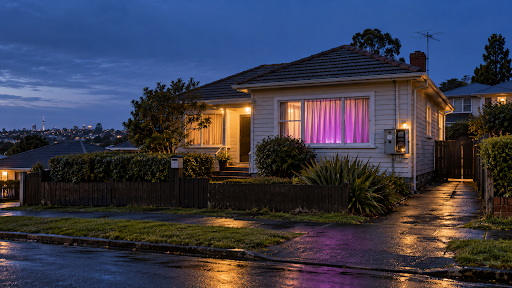
A family home in Auckland had been owned and lived in for around 20 years. Less than three months after new tenants moved in, it had allegedly been converted into a cannabis grow house.
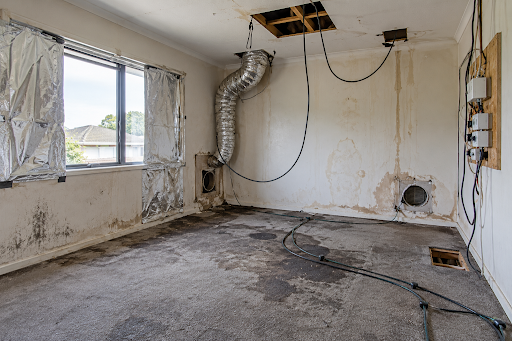
In a Takanini case reported in October 2026, the owners returned after a Police raid to find replaced and damaged doors, stripped ventilation, water damage, rubbish throughout the property and switchboards allegedly installed to bypass the electricity supply. Neighbours later said a strong cannabis smell had been noticeable outside. The tenants had also asked for inspections to be limited to once every four months. [Read the case report]
For landlords, the most important lesson is not how unusual the case sounds. It is how quickly the damage occurred, while the property may have continued to look perfectly ordinary from the street.
## This Is Not an Isolated Problem
In June 2026, New Zealand Police targeted 17 West Auckland rental properties being used as grow houses and recovered 1,532 cannabis plants weighing more than 1.3 tonnes. Police warned that prospective tenants offering extra rent, insisting on cash payments or trying to avoid inspections should raise concern. [New Zealand Police release]
Two months later, Operation Blackout revealed that more than five tonnes of cannabis material had been seized from over 50 Auckland rental properties during a ten-month investigation. [New Zealand Police release]
These operations can be hidden inside otherwise ordinary homes. The risk is not limited to the plants. High-powered lighting, extraction, irrigation and temperature control may involve unsafe electrical bypasses, holes through floors or ceilings, removed ventilation and prolonged humidity. The result can include fire, water damage, mould and substantial reinstatement costs.
## Safeguard One: Verify the Application, Not Just the Ability to Pay

Professional tenant selection is not about choosing the person who simply appears trustworthy. It is about confirming that the information provided is consistent and verifiable.
Landlords and property managers should sight original identification, confirm that the applicant matches the photograph, and complete reference, employment, income, credit and rental-history checks. Police specifically recommend meeting applicants, checking identification, and verifying references, credit and income. [Police guidance for landlords]
No single sign proves illegal activity, but several inconsistencies together deserve closer review:
– Offering above-market rent while asking for fewer inspections
– Insisting on cash, or having rent paid by someone who will not live at the property
– Employment, income, references or contact details that cannot be cross-checked
– Different people viewing, signing for and occupying the property
– Unusual sensitivity around the garage, spare rooms, meter box or inspections
Risk assessment must be based on behaviour and evidence, never ethnicity, language, age or nationality. A professional process should be consistent, fair and applied to every applicant.
## Safeguard Two: Treat Inspections as an Asset Health Check

The Takanini case highlights a simple but important issue: tenants may express a preference about inspection timing, but they should not unilaterally determine the inspection programme. Regular rent payments are not a reason to stop checking the property.
Tenancy Services says residential inspections can generally take place between 8am and 7pm. At least 48 hours’ notice must be given, no more than 14 days in advance, and inspections may occur no more frequently than once every four weeks. Some insurers may also require proof of regular inspections. [Tenancy Services: Inspections]
An effective inspection should document more than basic cleanliness. It should cover:
– How every room, garage and lawfully accessible area is being used
– Doors, locks, curtains or windows that have been replaced or unusually covered
– New wiring, switchboards, extension leads, high-output lights or extraction equipment
– New holes in walls, ceilings or floors
– Excess moisture, condensation, water marks, mould or strong plant odours
– Meter tampering, unusual power use, or large quantities of fertiliser and growing equipment without normal gardening activity
Police have also identified meter tampering and unexplained deliveries of fertiliser as warning signs worth reporting. [Police advice]
## Safeguard Three: Build an Evidence Trail Before You Need It
Discovering unlawful use is only the beginning. Insurance claims, repair recovery and Tenancy Tribunal proceedings depend on evidence.
In a 2026 Manukau Tenancy Tribunal decision, a tenant who had converted seven rooms and a cupboard into cultivation areas was ordered to pay $8,705.88, including repair costs, cleaning and the maximum $1,800 in exemplary damages for unlawful use. The decision also showed the importance of documentation: unsupported labour costs and work not clearly connected to the damage were not awarded. [Case summary and Tribunal decision]
Landlords should retain the initial condition report, dated inspection photographs, written communications, repair quotations, final invoices, payment records, Police documents and insurance correspondence. A clear evidence trail creates far more options when something goes wrong.
## What Should You Do If You Suspect a Grow House?
Do not force entry, confront the occupants or touch altered electrical equipment.
Call 111 if there is an immediate risk involving fire, electricity or personal safety. Non-urgent suspicious activity can be reported through Police 105, or anonymously through Crime Stoppers on 0800 555 111. Contact the insurer promptly and, once access is safe and authorised, arrange assessments by qualified electrical, building and remediation professionals.
Landlords must still comply with legal notice requirements and respect the tenant’s right to quiet enjoyment. Different rules may apply in emergencies, during Police action or where a Tenancy Tribunal order authorises entry. [Tenancy Services: Access]
## Final Thoughts
The lesson for Auckland landlords is not to distrust every tenant. It is to stop leaving a high-value asset to chance.
Fair and thorough vetting, lawful regular inspections and complete records work together. Rent arriving on time does not prove that everything inside the property is fine. Professional property management means identifying unusual patterns, verifying concerns and acting before warning signs become major losses.
If you own a rental property in Auckland and want stronger tenant selection, inspection and risk-management systems, talk to **UNO Property Management**. Our experienced local team helps protect your property through consistent, professional management.
*This article provides general information only and is not legal, insurance or financial advice. Always consider the tenancy agreement, the applicable insurance policy and the facts of the situation, and seek professional advice where required.*